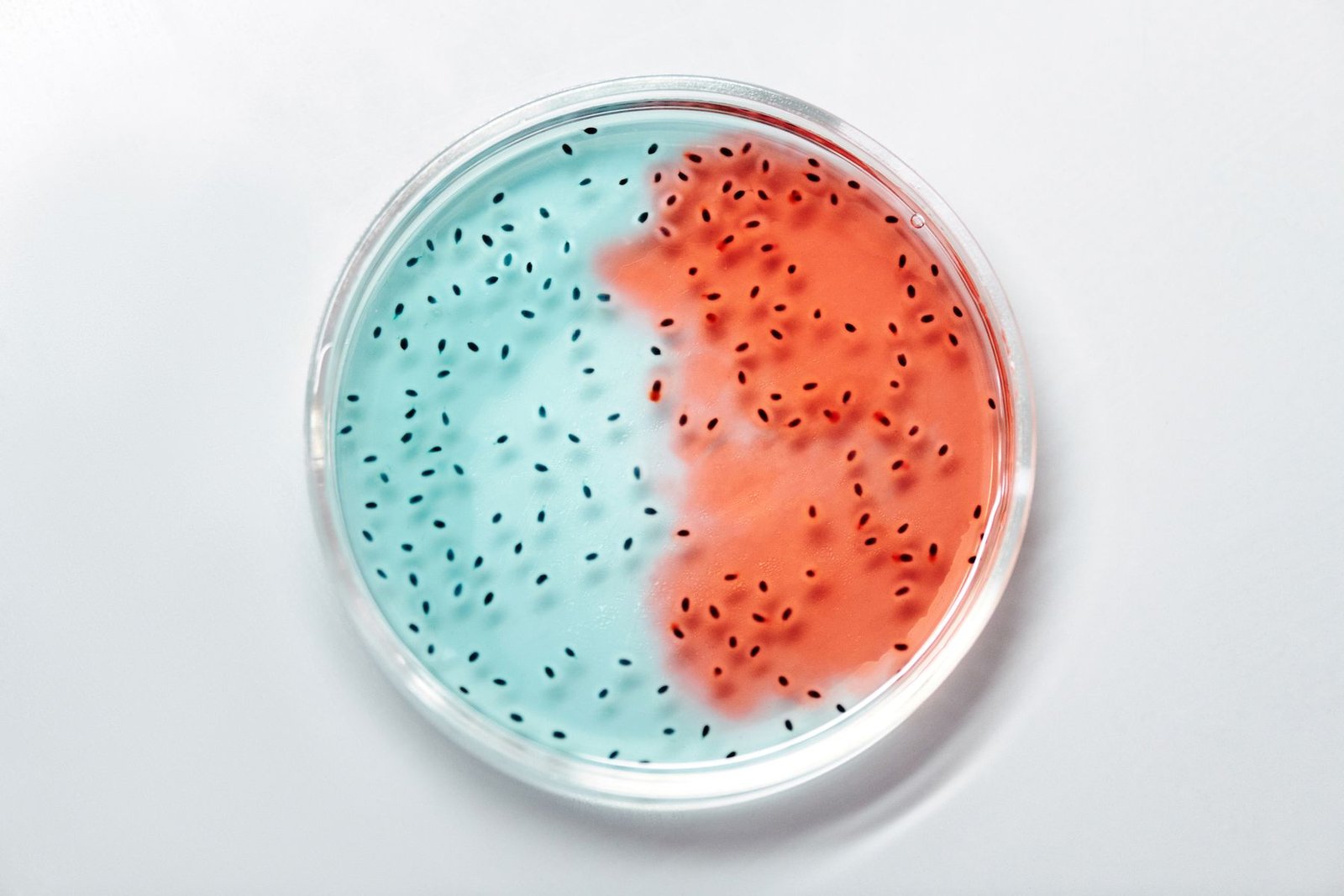
A petri dish with a teal culture on one side and a red one on the other
Strain 07 · grows madder red in three days
A stack of folded fabrics in blues, yellows, oranges and reds

Textile dyes, grown by microbes

Colour,
grown.

We grow madder, weld and woad in steel tanks, from sugar, with no oil and a tenth of the water. Draw on the cloth to seed a culture of your own.

The swatch book

Every shade, grown not mined.

Scroll to open the book. Each blade is a production colour, with the water it took to dye a kilo of cloth.
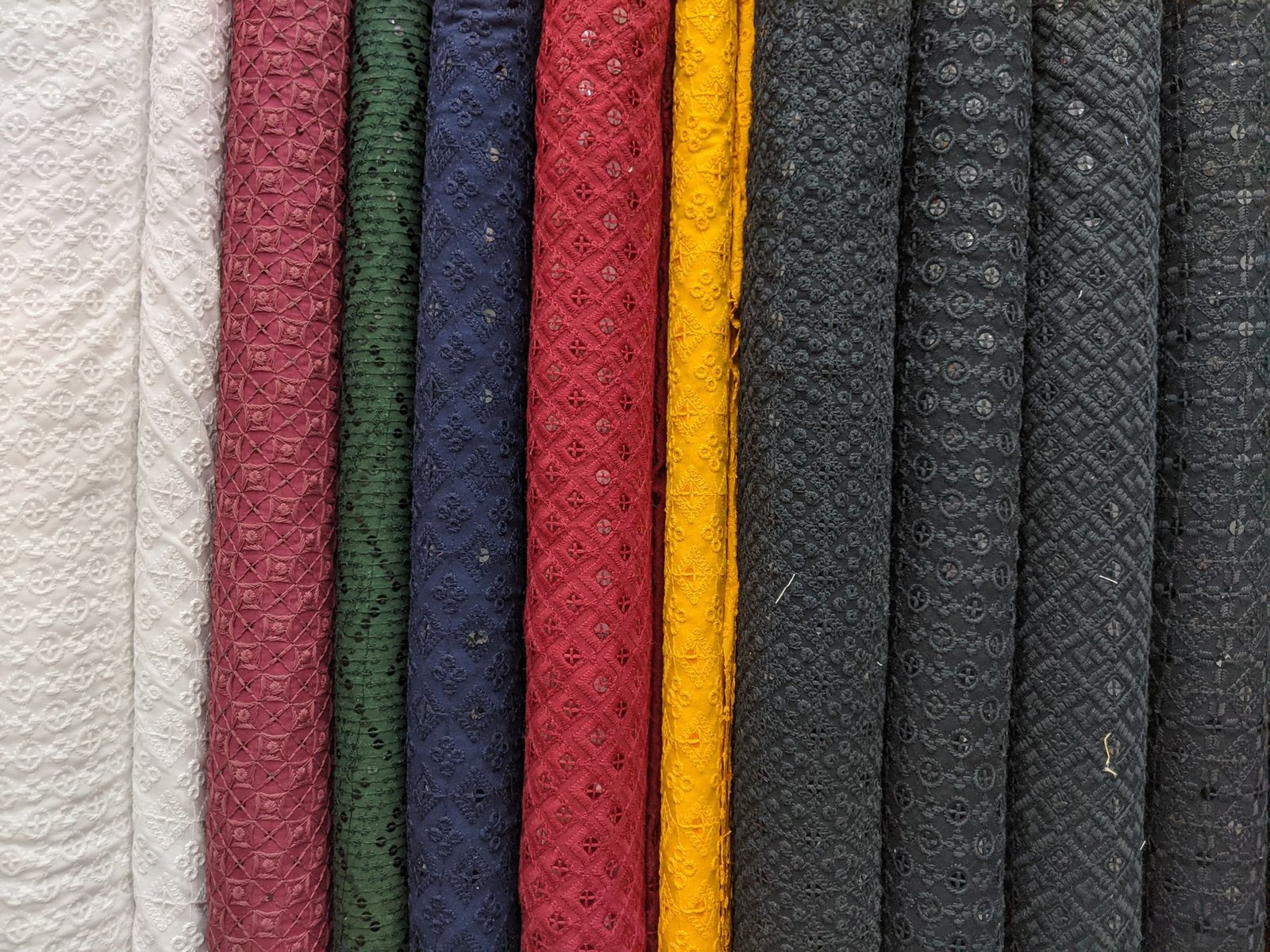
  1. Rolls of textured fabric in cream, red, green, blue, yellow and black
    Madder roseCotton jersey · 14 l a kilo
  2. A stack of folded fabrics in blues, yellows, oranges and reds
    Weld saffronLinen · 12 l a kilo
  3. Indigo-dyed cloth with white resist patterns laid out to dry
    Woad deepCotton poplin · 16 l a kilo
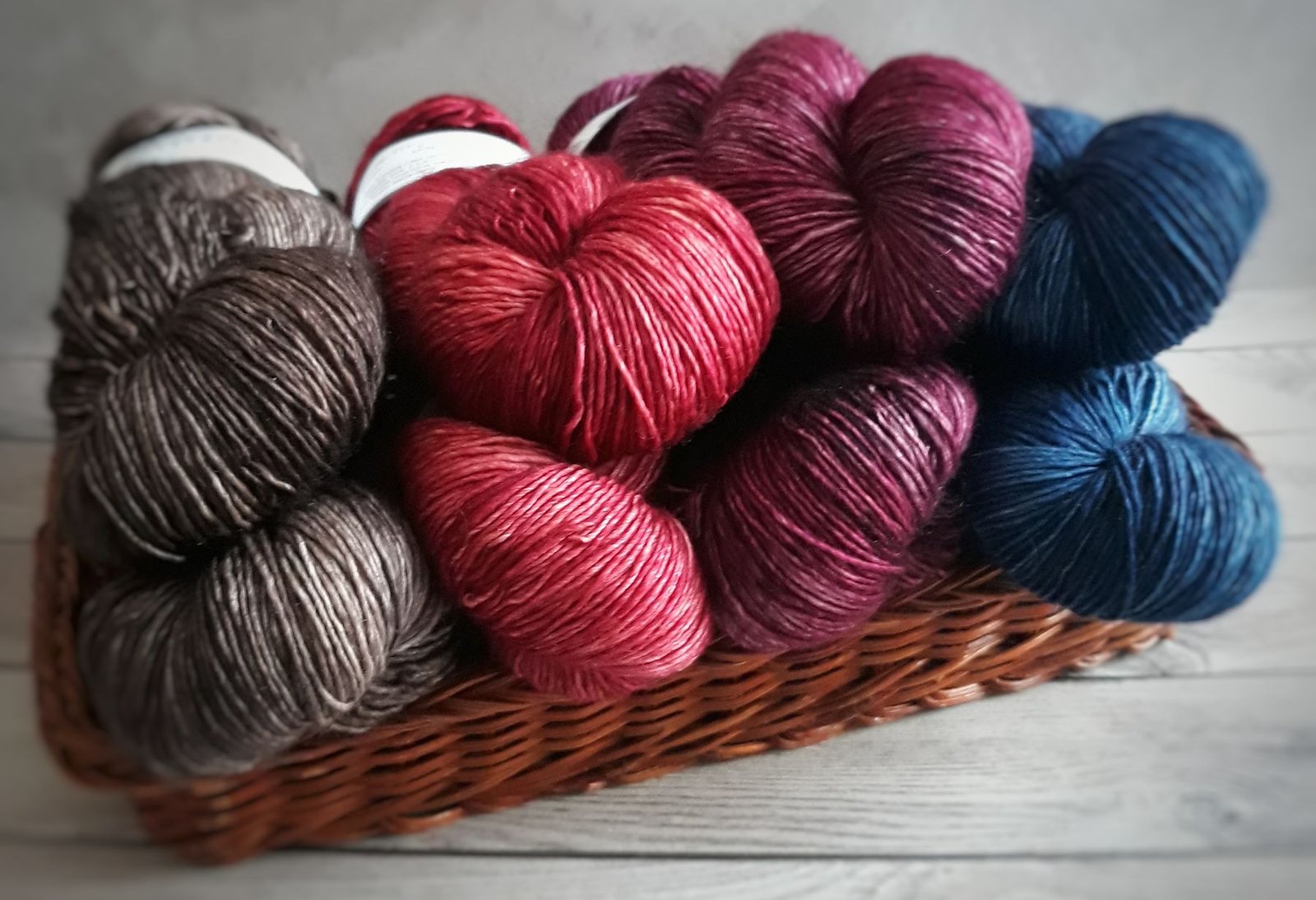
  4. Skeins of yarn in red, grey and blue in a basket
    Madder brickWool yarn · 18 l a kilo
  5. Hanks of dyed yarn hanging on a rail in a sunlit workshop
    Lichen mossSilk · 11 l a kilo
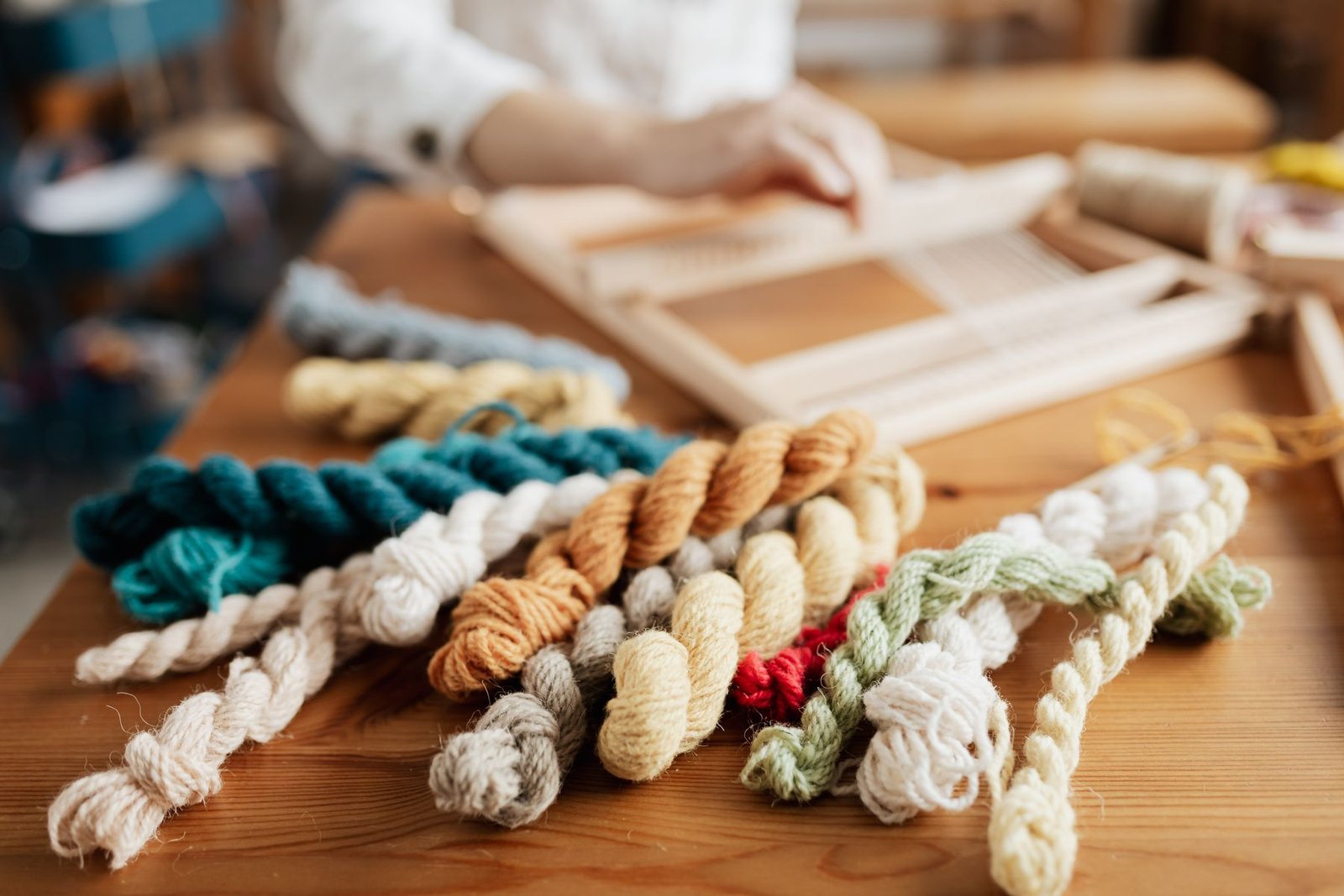
  6. Skeins of yarn in soft colours on a table beside a loom
    Weld strawHemp · 13 l a kilo
  7. A woman in a long gown of green, red, blue and coral panels
    Four-colour panelSilk satin · 15 l a kilo
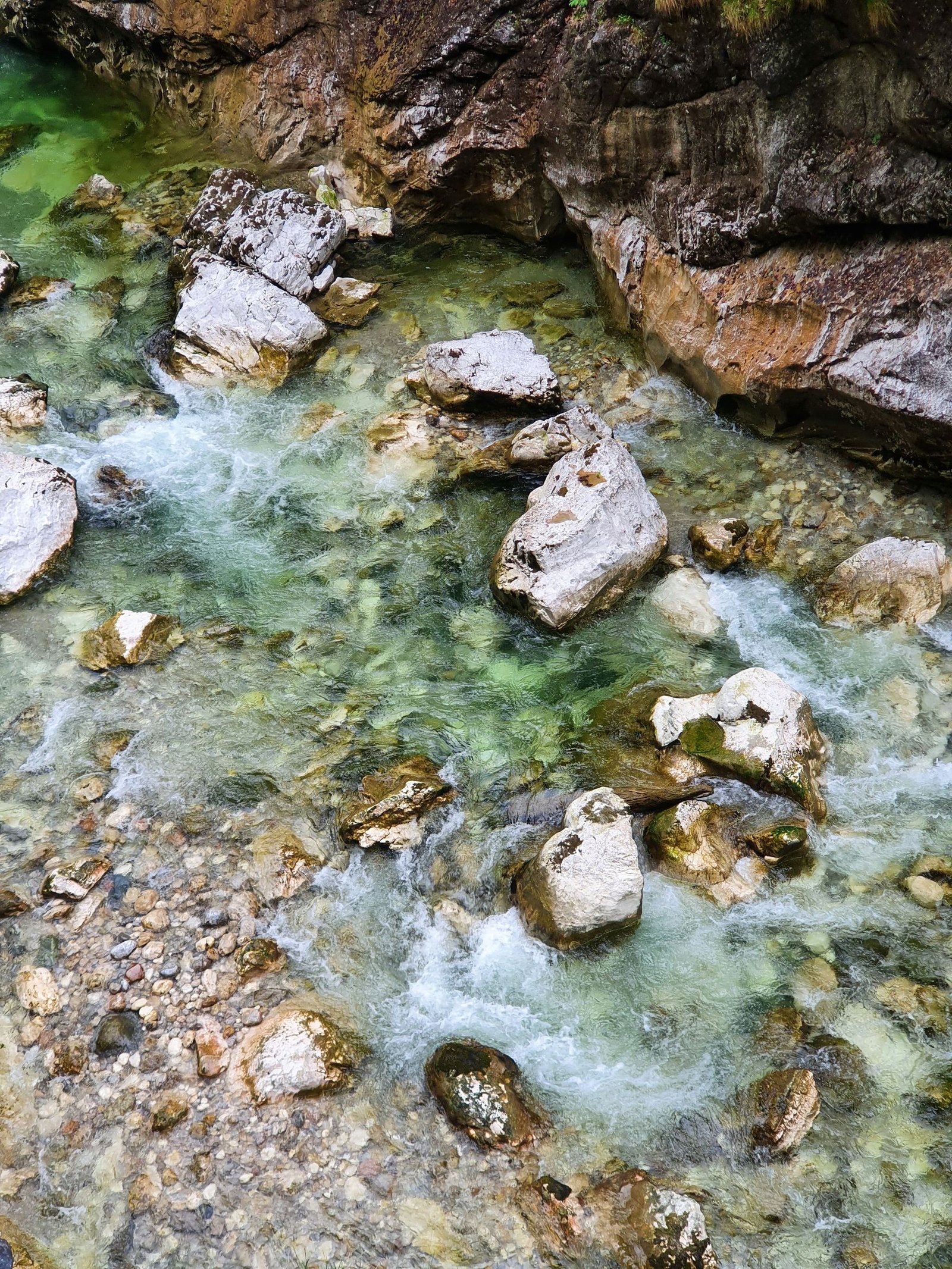
Clear water running over pale rocks in a river, seen from above

Downstream

150litres of water
for every kilo of cloth

A conventional reactive dye run, most of it spent rinsing out dye that never stuck.

Over-dyeing

Dip the cloth. Then dip it again.

Grown dyes layer like the old ones did. Dip the linen in one vat, then another, and watch the colours combine.

On the cloth: Undyed linen

Soft folds of natural linen cloth
A hand holding a petri dish of golden yellow culture up to the light
Hanks of dyed yarn hanging on a rail in a sunlit workshop

For mills and designers

Send us a metre. We send it back grown.

Lab dips on your own base cloth in ten days, bulk samples in five weeks.